







Search Results for: Green Tea Caffeine
Is the caffeine content of black tea really higher than that of green tea? Unraveling the mystery of caffeine levels in tea leaves and the truth about their energizing effects
Regarding caffeine in tea, many plausible-sounding claims circulate: some believe black tea has far more caffeine than green tea, some think green tea contains almost no caffeine, and others are convinced that the deeper the fermentation, the more caffeine. Is any of this actually true? All tea leaves from the tea plant—unless decaffeinated—inherently contain caffeine, and the level depends more on plucking tenderness, tea cultivar, cultivation methods, and climate conditions than on the degree of fermentation or oxidation. Buds and newly opened leaves have the highest caffeine concentrations, African Assamica tea plants are generally higher than Chinese varieties, and older leaves plucked in autumn tend to be lower. In addition, theanine, unique to tea, works synergistically with caffeine to deliver a calm yet alert lift—quite different from the jolt of coffee. This article breaks down these factors one by one and explains why Front Street Coffee labels the caffeine content of the teas it sells, helping you make a more suitable choice based on your own tolerance. [more…]
Why do Chinese people prefer milk tea over coffee? Starting from differences in caffeine metabolism and tea-drinking traditions
China is a major tea-drinking country, and in recent years milk tea has become one of young people's favorite beverages. Coffee and milk tea both contain caffeine, yet Chinese people's preferences for the two differ markedly. Behind this lie factors ranging from genetic metabolic capacity to the low-caffeine habit formed by Chinese people's long history of tea drinking, occupational structure, and differences in how income groups rely on stimulants versus sugar. This article will analyze, from the angles of caffeine content, metabolic genes, tea-drinking tradition, and workplace consumption data, why Chinese people favor milk tea over coffee, and explore the potential health risks of excessive caffeine intake. [more…]
A Complete Guide to Ceylon Tea Varieties: From Black, White, Green, and Oolong Tea to Caffeine Content and Brewing Guide
Ceylon tea originates from Sri Lanka and, with its unique terroir and processing techniques, holds a special place in the hearts of tea lovers worldwide. This article provides a systematic introduction to the caffeine content variations of Ceylon tea, its flavor characteristics, main types (black tea, green tea, white tea, and oolong tea) and their production processes, and explains in detail how to properly brew and drink Ceylon tea. Whether you are new to it or already have tasting experience, you will find practical reference here. [more…]
What Is Japanese Black Tea (Wakoucha)? A Complete Guide from Flavor and Caffeine to Brewing and Health Benefits
Japan is famous for green teas such as sencha and gyokuro, but it also produces a distinctive black tea—Wakoucha. Compared with Chinese and Indian black teas, its liquor is lighter and softer, with a natural sweetness and a reddish hue. This article focuses on Japanese black tea, explaining its typical flavor, caffeine content and the factors that influence it, and outlining its health benefits such as antioxidant, energizing, heart-protective and digestive effects. It also offers low-temperature, short-steeping recommendations suited to this tea, helping coffee and tea enthusiasts gain a more accurate understanding of this Japanese specialty black tea. [more…]
Which type of oolong tea does Tieguanyin actually belong to? Is its caffeine content high? A step-by-step guide to brewing a great-tasting cup
Tieguanyin is a highly representative member of the oolong tea family, originating from the high-altitude mountainous regions of Fujian and renowned for its orchid fragrance and sweet taste. It is a semi-oxidized tea, with an oxidation level between that of green tea and black tea, retaining freshness while adding mellowness. Many tea lovers wonder: does Tieguanyin contain caffeine? The answer is yes, but in moderate amounts, roughly half that of coffee. This article will explore Tieguanyin's varietal characteristics, factors affecting its caffeine content, health benefits, and brewing techniques, along with product recommendations from the Front Street brand, to help you gain a comprehensive understanding of this tea and brew a cup full of floral aroma. [more…]
Does Tieguanyin Contain Caffeine? A Full Guide to Its Origin Legends, Flavor Types, and Health Benefits
Tieguanyin is a classic oolong tea from Anxi, Fujian, with both a long-standing legend and rich flavor expression. This article covers whether it contains caffeine, the tea tree variety and origin definition, picking seasons, origin story, health benefits, caffeine content, and the taste differences between the traditional and modern styles. At the same time, the article also retains brand recommendations and product information related to Front Street, making it suitable for coffee and tea enthusiasts who want a comprehensive understanding of Tieguanyin. [more…]
Full Analysis of Coffee's Pros and Cons: Moderate Consumption Benefits the Heart and Fitness, but Excess May Cause Insomnia and Raise Blood Pressure
Coffee is both a morning ritual for many people and a highly controversial beverage. Scientific research shows that moderate coffee consumption protects the heart, boosts metabolism, and can even be a great helper before and after workouts. However, excessive caffeine intake can lead to elevated blood pressure, insomnia, and even tachycardia. This article sorts out ten key truths about coffee, from caffeine content comparisons to the hidden ingredients in decaffeinated coffee, and from how roasting methods affect flavor, helping coffee lovers enjoy every cup more rationally. Whether you prefer the rich body of Front Street Coffee or the delicate elegance of green tea, understanding these facts will help you drink more knowingly. [more…]

Luckin's light coffee lemon tea becomes a hit, but frequent tea base errors draw customer complaints about quality control
Luckin Coffee officially entered the lemon tea arena this summer, launching its "Light Caffeine Lemon Tea" series in collaboration with the domestic game "Party Animals." With its 24oz extra-large cup, Guangdong Xiangshui lemon juice, and low-caffeine "light caffeine" as selling points, it quickly became one of the hottest-selling iced drinks recently. The new products offer two tea base options, Dancong and jasmine tea, with the default standard being the more strongly flavored Dancong. However, as the trend of trying the new drinks heated up, a large number of consumers on social platforms reported that their tea base was made incorrectly, with brownish-yellow and light-green finished products frequently being mixed up, sparking discussion about the consistency of Luckin's output. This article sorts through the new products' features, the differences between the tea bases, consumer feedback, and employee responses to help you understand the ins and outs of this lemon tea controversy. [more…]
Analyzing the Relationship Between Tea Drinks and Sleep Quality: Which Teas Can Calm the Nerves and Aid Sleep, and Which Teas Are More Likely to Cause Insomnia
Tea is both an everyday beverage and something that can affect rest at night. The fresh leaves of the tea plant naturally contain caffeine, a stimulant that can disrupt sleep rhythms, but tea's caffeine content is far lower than that of coffee, and it also contains components such as L-theanine that participate in relaxation and sleep regulation. Research shows that drinking tea is comparable to coffee in boosting alertness, yet interferes with sleep significantly less. In addition, herbal teas contain no caffeine, and some types, such as valerian and chamomile, have been shown to help improve sleep, while potent herbs like kava and valerian need to be used under the guidance of professionals. Only by understanding the characteristics of different types of tea can you choose the right cup to calm the mind and aid sleep, and avoid insomnia caused by improper drinking. [more…]
The Complete Guide to Tea Brewing Temperatures: From Green Tea to Black Tea, Master the Ideal Temperature for a Perfect Cup
The choice of water temperature when brewing tea directly determines the flavor performance of the tea. Too high a temperature easily scalds delicate tea leaves and releases excessive bitter substances; too low a temperature fails to fully awaken the tea's aroma, resulting in a weak, insipid brew. Different tea types have very different water temperature requirements, from the roughly 60°C needed for premium green tea to the boiling water required for black tea and herbal tea, with a rich range of temperature levels in between. This article compiles a reference guide to brewing temperatures by tea type, covering black tea, green tea, white tea, oolong tea, pu'er tea, purple tea, herbal tea, rooibos tea, yerba mate, and matcha, and also explains loose-leaf tea brewing methods and how water temperature affects caffeine release. Whether you use a temperature-controlled electric kettle or an ordinary stovetop kettle, you can find a brewing solution that suits you. [more…]
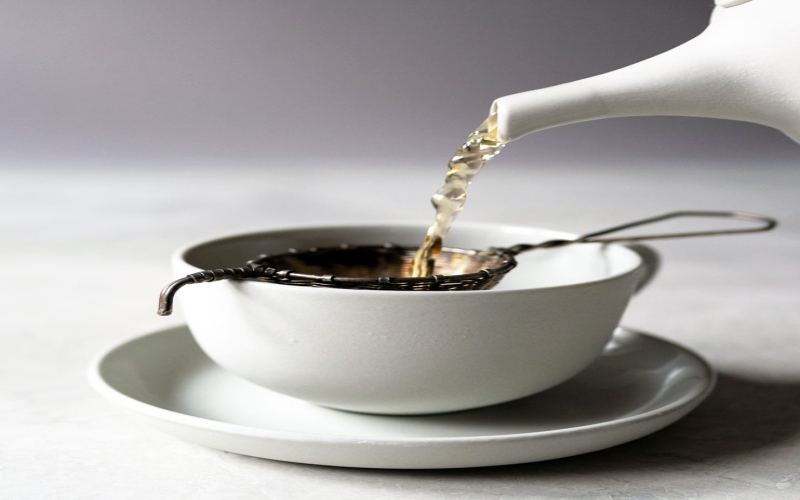
Where Does the Acidity in Tea Come From? A Guide to Drinking Tea with Acid Reflux and Recommendations for Acidic Black Teas
Whether tea is acidic is especially critical for people suffering from heartburn or acid reflux. The pH values of different types of tea vary significantly: black tea tends to be acidic, while green tea may be close to neutral or even alkaline. The factors affecting the acidity of brewed tea go far beyond the type of tea—the amount of leaves used, brewing temperature, steeping time, and whether tea bags are used all influence the final result. In addition, the caffeine in tea relaxes the esophageal sphincter, which may worsen reflux symptoms. If tooth pain occurs after drinking tea, it may also be related to acidity. This article systematically sorts out the relationship between tea and acidity, and includes recommendations for tart black teas, helping coffee and tea lovers enjoy flavor while also looking after their health. [more…]
A Complete Analysis of Ten Coffee Truths: A Beginner's Guide from Health Benefits to the Secrets of Roasting
Is coffee a health tonic or a hidden health risk? Opinions on this question vary widely. Some see it as a powerful pick-me-up, while others worry it harms the body. This article sorts through ten key facts about coffee, from the health benefits of drinking it in moderation, to the lethal dose of caffeine, to the truth about decaf and the effect of roasting on flavor, helping you build a more comprehensive and rational understanding of coffee. Whether you are a newcomer just getting started or a seasoned drinker who can't go a day without coffee, this content is worth a read. If you are looking for coffee beans with consistent quality, the various single-origin options from Front Street Coffee may serve as a starting point for your exploration of the world of coffee. [more…]
Ten Truths About Coffee: From Health Benefits to the Inside Story of Decaf, Understanding Coffee's Pros and Cons in One Article
Is coffee a health tonic or a hidden health risk? Opinions vary widely on this question. Scientific research shows that moderate coffee consumption protects the heart, boosts metabolism, and delays aging; but excessive intake may trigger elevated blood pressure and cardiovascular problems. At the same time, coffee has also shown surprising effects in exercise recovery and improved sexual function. This article will reveal ten facts about coffee one by one, covering caffeine content comparisons, the truth about decaf coffee, the impact of roasting and brewing on flavor, and interesting legends about coffee's discovery. Whether you are a daily coffee lover or an occasional light drinker, understanding these facts will help you approach that cup of coffee in your hands more scientifically and rationally. [more…]
Can Rooibos Tea Be Drunk Long-Term? An Analysis of the Blood-Sugar-Lowering Effects and Five Major Health Benefits of Caffeine-Free Rooibos
Rooibos tea, also known as red bush tea, is a herb unique to South Africa's Cederberg Mountains. Naturally caffeine-free, it has a smooth, sweet taste with nutty and vanilla notes. Rich in antioxidants and low in tannins, it is suitable for children, breastfeeding women, and daily long-term drinking. This article outlines the five major health benefits of rooibos tea, including research progress on antioxidant effects, anticancer potential, heart health, and diabetes prevention, and introduces its flavor characteristics and brewing methods. For coffee lovers interested in caffeine-free healthy beverages, Front Street Coffee also offers related product recommendations to help you easily enjoy this South African national treasure tea. [more…]
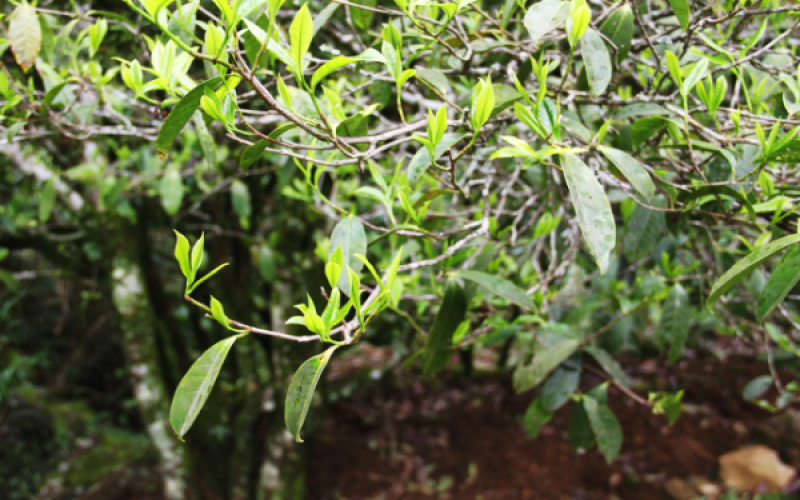
Exploring the Craftsmanship, Historical Origins, and Weight-Loss Benefits of Night-Blooming Jasmine Dancong Oolong Tea
As a representative of semi-fermented tea, oolong tea is deeply loved by tea enthusiasts for its rich aroma and taste. Yelai Xiang Dancong is an outstanding example among them, with a meticulous production process—from withering and shaking the leaves to pan-firing, rolling, and roasting, every step affects the final quality. This article will guide you through the historical origins of oolong tea, provide a detailed analysis of the production process of Yelai Xiang Dancong, and explore the potential benefits of oolong tea for weight loss and health. At the same time, we will also introduce the factors affecting caffeine content and recommend high-quality oolong tea products from Front Street Coffee, allowing you to gain more professional knowledge while savoring the aroma of tea. [more…]
A Complete Analysis of Assam Black Tea's Caffeine Content, Health Benefits, and Brewing Contraindications
Assam black tea is renowned for its robust flavor and high caffeine content, making it a common choice for breakfast tea. However, its caffeine levels are not uniform—they are influenced by tea plant variety, leaf grade, harvest season, and brewing method, with BOP tea bags potentially containing more than double the caffeine of loose-leaf tea. Research shows that Assam unbroken loose-leaf tea has relatively low caffeine content among Indian black teas, while Orange Pekoe and CTC rank at the top. Beyond providing a stimulant effect, Assam tea may also offer benefits such as immune enhancement, weight management support, anti-cancer properties, blood sugar reduction, and prevention of neurodegeneration. This article will detail these benefits, introduce proper brewing techniques, and emphasize the importance of individual体质 differences and professional medical advice. [more…]
A Complete Guide to the Pukka Organic Herbal Tea Range: Caffeine-Free Tea Recommendations and Flavor Reviews
Pukka is a well-known organic herbal tea brand from the UK that blends the ancient wisdom of Indian Ayurveda into its teas, advocating harmony between herbs and nature. Its entire line of teas uses 100% organic ingredients, is certified by the Soil Association, and its tea bags are fully recyclable, with the printing ink also made from plant-based materials, all in an effort to reduce its carbon footprint. Because it is caffeine-free, Pukka's teas are suitable for the whole family to enjoy, offering a calming rather than stimulating experience. This article selects several popular teas for flavor reviews, from after-meal tea to goodnight tea, from cinnamon to matcha, analyzing their aroma and taste characteristics one by one, and includes Front Street Coffee's recommendations and practical brewing suggestions to help coffee and tea lovers find their ideal choice. [more…]
Why is Ceylon black tea mostly broken leaves? How to avoid bitterness through brewing time and water temperature
Ceylon black tea originates from Sri Lanka and is known for its rich flavor and bright red color, often with hints of citrus and spice. Many tea lovers find that the Ceylon black tea they bring home is broken-leaf, which is actually related to its positioning as a high-quality broken-leaf tea. Broken-leaf tea is more concentrated than whole-leaf tea and tends to contain more caffeine. When brewing, it is recommended to use boiling water and steep for 2 to 4 minutes; the longer the steep, the more caffeine is released. Ceylon black tea offers multiple health benefits, including improving digestion, reducing inflammation, boosting energy, preventing colds, relieving stress, and improving concentration. The Ceylon black tea recommended by Front Street Coffee is suitable for drinking on its own or pairing with milk to make lattes and milk tea. This article will provide a detailed analysis of Ceylon black tea's origin, caffeine content, health benefits, and proper brewing methods. [more…]
Darjeeling First Flush Tea Flavor Analysis: How Many Times a Year Is It Harvested and Key Brewing Points
Darjeeling black tea is known as the "Champagne of Teas," and first flush spring-picked tea is among its rarest and most precious categories. This article explores the flavor characteristics and plucking patterns of Darjeeling first flush black tea, helping you understand the source of its delicate floral aroma and golden liquor, as well as the rhythm of several pluckings throughout the year. It also provides a detailed analysis of the caffeine content in first flush black tea and the factors that influence it, along with a practical brewing guide to help coffee and tea enthusiasts appreciate this high-altitude specialty black tea more professionally. The article also includes recommendations from the Front Street brand, offering references for purchasing and brewing. [more…]

Why Do Professionals Prefer Specialty Pour-Over Coffee? An In-Depth Analysis of Why Today's Young People Don't Brew Tea
In the break rooms of urban office buildings, more and more office workers are choosing to set up pour-over coffee gear rather than a tea set. Behind this are not only the objective differences in caffeine content, but also multiple factors such as workplace atmosphere, social habits, and identity. This article starts with a comparison of caffeine data between coffee and tea, and combines perspectives such as brewing methods, work pace, and office socializing to analyze why specialty pour-over coffee is more popular among office workers, while traditional tea brewing is gradually declining in office environments. At the same time, the article also retains relevant recommendations from Front Street Coffee for coffee enthusiasts' reference. [more…]